“The network drawings showed one environment. The plant floor showed another.”
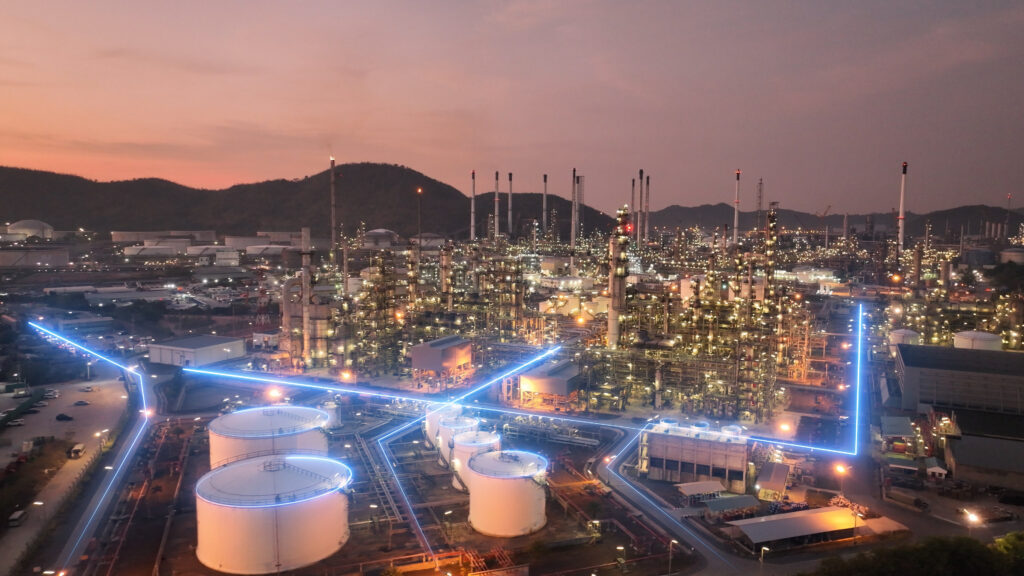
The asset owner wanted better visibility into its operational technology (OT) environment and planned to deploy an OT network monitoring platform. Doing this in a long-established petrochemical facility is much harder than in a new build. As in many facilities that have operated for decades, the network had evolved over time, and the documentation had not always kept pace with changes in the field. Sensors placed from those drawings could miss critical communication paths, watch the wrong network segments, or need costly rework after installation.
Solution
Armexa treated documentation validation as the first step of the deployment rather than an afterthought. Engineers walked down the facility to confirm network architecture, communication paths and asset locations against the drawings. They worked directly with plant operations and engineering personnel to capture institutional knowledge that had never made it into formal records. Because many of Armexa’s engineers have worked inside operating plants, the team could bridge plant personnel, engineering and corporate stakeholders and plan the work around production realities. With that verified picture of the environment, Armexa developed site-specific monitoring recommendations that delivered meaningful visibility while respecting existing infrastructure constraints and operational requirements.
Approach
The engagement progressed through four phases:
- Field validation: Onsite inspections compared documented conditions against actual conditions and identified discrepancies in network architecture, connectivity and asset locations.
- Collaboration with site personnel: Operations and engineering staff were engaged throughout the project to fill documentation gaps and make sure deployment decisions reflected how the plant actually runs.
- Site-specific monitoring design: Sensor placement and monitoring architecture were designed around the validated environment instead of legacy assumptions.
- Documentation improvement: Records and design information were updated as conditions were confirmed, so the site has a reliable baseline that will last beyond the monitoring project.
Benefits
Validating the environment before implementation reduced the risk of deploying sensors and monitoring infrastructure based on assumptions that had not been verified in the field. Because the platform was aligned with the real network rather than the documented one, it gave more meaningful visibility into OT assets and communications. Finding documentation gaps early let the team resolve issues before deployment began, which reduced rework and implementation delays. The updated documentation also gives the asset owner a stronger foundation for future cybersecurity, modernization and asset management initiatives.
An OT monitoring deployment is only as effective as the team’s understanding of the environment it monitors. This engagement shows the value of validating assumptions in the field and engaging operations teams early. It also shows the value of treating accurate documentation as a living part of the OT cybersecurity lifecycle.
About Armexa
Armexa is a team of dedicated operational technology (OT) and industrial cybersecurity experts that provide practical, scalable, industrial cybersecurity services and solutions. With decades of hands-on experience in critical infrastructure facilities such as chemical plants, refineries, pipelines, manufacturing, and offshore facilities, Armexa helps operations run safely, reliably, and securely. As an IEC 62443-2-4 certified service provider, Armexa has secured more than 100 industrial facilities across four continents, and members of its team helped write the ISA/IEC 62443 standards. Learn more at armexa.com or call 832-762-3550.